
9abb7dc1-53d9-4c4a-92c3-f89902450983

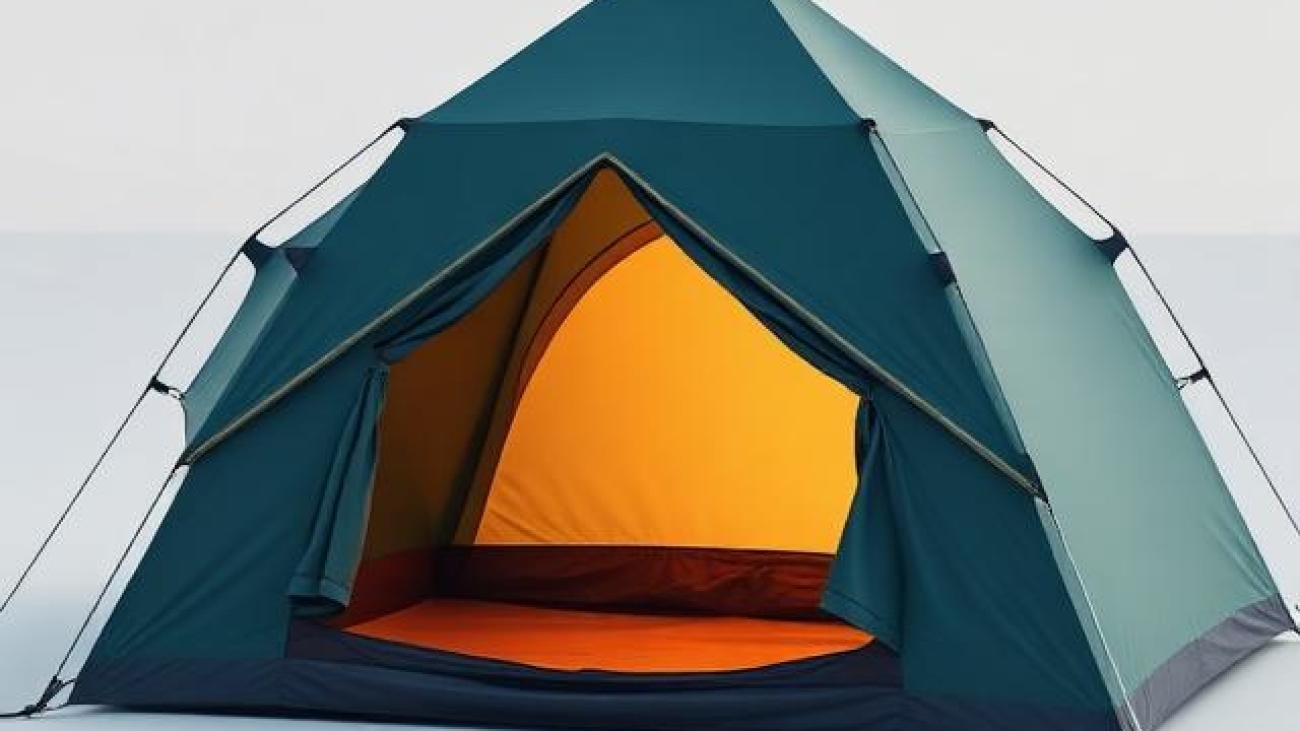
How to Choose the Perfect Camping Tent: A Complete Buyer’s Guide

Introduction

Your tent is your home in the wild — your shelter from the storm, your front-row seat to the stars, and your safe space after a long day on the trail. But with so many options out there, choosing the right one can feel overwhelming.

Whether you’re heading out for a solo overnight trip or planning a week-long family adventure, this guide will walk you through everything you need to know to pick the perfect camping tent in 2026.


1. Decide What Type of Camper You Are

Before anything else, ask yourself:

  • Will you be car camping (driving to the spot)?
  • Are you backpacking (carrying your gear)?
  • Will you camp in mild weather or extreme conditions?

Your camping style determines everything from the size to the weight of your tent.


2. Choose the Right Tent Size

Tents are usually labeled by capacity (1-person, 2-person, 4-person, etc.). Here’s a quick rule:

Always size up by one. A 2-person tent feels tight — a 3-person is far more comfortable for two adults plus gear.


3. Consider the Seasons

  • 3-Season Tents: Perfect for spring, summer, and fall. Lightweight and breathable.
  • 4-Season Tents: Built for harsh winter conditions, snow, and high winds. Heavier but stronger.

For most adventurers, a quality 3-season tent is more than enough.


4. Pay Attention to Materials

Look for:

  • Ripstop nylon or polyester for durability
  • Aluminum poles (lighter and stronger than fiberglass)
  • Waterproof rainfly with a high hydrostatic head rating (1500mm+)

Premium materials = a tent that lasts for years.


5. Weatherproofing Matters

Check the seams. Look for:

  • Taped or welded seams
  • A bathtub-style floor (waterproof bottom that rises slightly up the walls)
  • A full-coverage rainfly

If a tent can’t keep you dry, nothing else matters.


6. Setup & Portability

Are you the type who wants a tent up in 5 minutes? Look for pop-up or freestanding designs. For backpackers, prioritize lightweight and compact packing size.


7. Ventilation

Condensation can ruin your night. Always pick a tent with mesh panels and adjustable vents to keep air flowing.


8. Extra Features Worth Considering

  • Vestibules for storing wet gear outside the sleeping area
  • Interior storage pockets
  • Reflective guy lines for visibility at night
  • Color-coded poles for easy setup

🛒 [Shop Camping Tents Now]Shop
55adcd31-9626-4aa6-85b0-63a0b5d63980

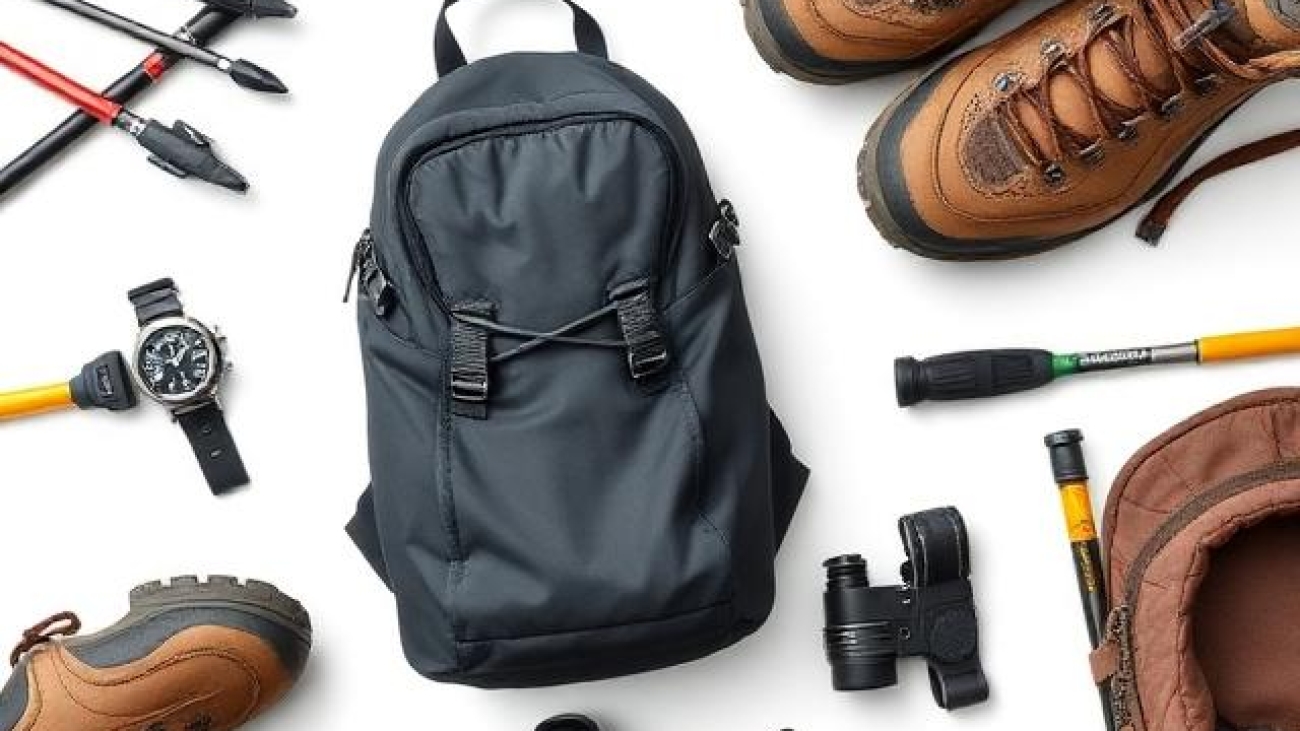
Essential Hiking Gear Items Every Adventurer Needs in 2026

Introduction

There’s something timeless about a great hike — the crisp morning air, the rhythm of your footsteps, and the quiet thrill of reaching a summit. But behind every memorable adventure is one thing: the right gear.

Whether you’re a weekend explorer or a serious trail-chaser, having reliable equipment isn’t just about comfort — it’s about safety, performance, and making every journey count. In this guide, we’re breaking down the 10 essential hiking gear items every adventurer needs in 2026.


1. A Durable Hiking Backpack

Your backpack is your lifeline on the trail. Look for one with padded shoulder straps, a breathable back panel, and at least 30–50 liters of capacity for day hikes. Premium packs are built to distribute weight evenly and last for years.

Pro tip: Always test the fit before buying — a poorly sized pack can ruin even the best hike.


2. Trekking Poles

Often overlooked, trekking poles reduce stress on your knees by up to 25% on descents. Foldable, lightweight poles are perfect for everything from rocky trails to snowy peaks.


3. Quality Hiking Boots

Your boots are everything. Choose waterproof, ankle-supporting boots with strong grip soles. Break them in before hitting the trail — blisters are the fastest way to end an adventure early.


4. Weatherproof Jacket

The mountains don’t care about your weather forecast. A lightweight, packable rain jacket can be the difference between a great hike and a miserable one.


5. GPS Device or Smartwatch

Modern hiking smartwatches do more than tell time — they track altitude, monitor your heart rate, and ensure you never lose your way. A must-have for serious explorers.


6. Headlamp

Whether you’re starting before sunrise or finishing after sunset, a hands-free headlamp is essential. Look for one with at least 200 lumens and a long battery life.


7. Hydration System

Dehydration is the #1 reason hikes go wrong. Carry a refillable water bottle or hydration bladder, and aim for at least 2 liters on a full-day hike.


8. Multi-Tool

A compact multi-tool can handle everything from gear repairs to opening packaged food. Once you carry one, you’ll wonder how you ever hiked without it.


9. First Aid Kit

Small cuts, blisters, and sprains happen. A lightweight first aid kit is non-negotiable for any hike beyond your local park.


10. Camping Tent (For Overnight Trips)

If your hike turns into an overnight adventure, a lightweight, weatherproof tent is essential. Look for premium materials and easy setup designs.

🛒 [Shop Hiking Essentials Now]Shop